
How Long Does a Roof Last in Houston TX?
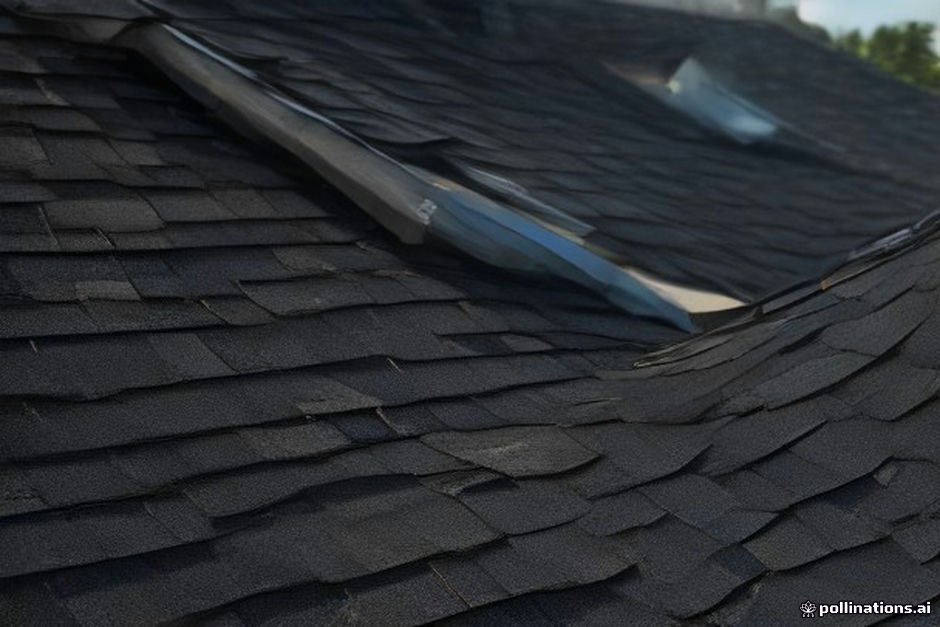
Wondering how long does a roof last in houston tx? Most asphalt shingle roofs in Houston last 15 to 25 years, metal 40 to 70, tile 50 or more. Houston heat, humidity, hail and hurricanes cut years off every material — an asphalt roof that would reach 30 years in a mild climate often gives up at 20 here. The table below gives the realistic lifespan for each material.
How long does a roof last in houston tx — by material?
The single biggest factor is what your roof is made of. These are realistic planning ranges for a properly installed, ventilated roof in Houston — not the numbers on the box. The published life-expectancy figures from InterNACHI list architectural shingles at 30 years and 3-tab at 20, but those are national figures, and hot climates cut asphalt life sharply.
| Roofing material | Manufacturer rating | Houston real-world lifespan | What wears out first |
|---|---|---|---|
| 3-tab asphalt shingles | 20–25 years | 10–18 years | Granule loss, cracked tabs |
| Architectural asphalt shingles | 25–30 years | 15–25 years | Granule loss, brittle, seals fail |
| Impact-resistant (Class 4) shingles | 30+ years | 20–30 years | Ages like architectural; better hail resistance |
| Standing-seam metal | 40–70 years | 40–70 years | Coatings, sealants, flashing |
| Clay or concrete tile | 50+ years | 50+ years for the tile | Underlayment, at 25–30 years |
| Slate | 75–100+ years | 75–100 years | Rare in Houston; heavy, costly to repair |
| Flat / TPO / modified bitumen | 15–20 years | 12–25 years | Seams, drains and penetrations |
Asphalt shingles sit on most Houston homes, and they are the material this climate is hardest on. Across Texas, the same question — how long does a roof last in texas — gets the same answer: it depends on the material, but Houston’s climate pushes every roof toward the low end of its range.
Why do Houston roofs wear out faster?
Houston roofs age faster than the manufacturer’s rating because they face three stresses at once that mild climates do not. First, heat and UV: long summers bake the oils out of asphalt, so shingles dry out, grow brittle, crack and shed their protective granules. Second, humidity and rain: Houston sees nearly 52 inches of rain a year, and Gulf moisture feeds algae and rots the decking beneath the shingles, especially on shaded slopes.
Third, hail and wind: NOAA radar detected hail over Houston on 403 separate days between 2016 and 2025, and Texas records more major hail events than any other state. One hailstorm can bruise the shingle mat and knock granules off, and the damage often shows up months later as a leak. Hurricane Beryl (8 July 2024, Category 1) pushed gusts of 83–84 mph through Houston’s airports. Thermal cycling stresses seals, fasteners and shingle bonds a little more each year.
Why does attic ventilation matter so much?
A Houston attic without proper ventilation can top 150°F on a summer afternoon, cooking the roof from underneath while the sun bakes it from above — and the roof ages years faster than it should. Good ventilation is balanced: outside air enters through the soffit vents and hot, humid air escapes through the ridge or exhaust vents. The common failure is an unbalanced system — turbines or ridge vents with almost no usable soffit intake, often because insulation blocks the eaves. If your attic feels like an oven in July, ventilation is part of the lifespan question.
What does a 30-year shingle warranty actually promise?
Less than the number suggests. A “30-year shingle” is a product label and a warranty term, not a promise that your roof will last 30 years in Houston. The warranty covers manufacturing defects only, and most are prorated — the manufacturer pays less as the roof ages, and labour and tear-off are usually excluded. Warranties also come with conditions — proper installation, adequate ventilation and correct flashing are often required — so a roof over a bad deck or with blocked soffits can lose its warranty cover before it loses its shingles. Treat the number on the box as a product grade, not a replacement date.
How do I know my roof is near the end of its life?
Age is the starting point, but the roof itself gives clearer signals. If you notice several of these, get a professional inspection before the next storm decides for you:
- Granules in the gutters. A handful after every storm on a roof ten years or older usually means its last three to five years. A cupful, or a bald patch where the black mat shows, means that spot has lost its only UV protection.
- Curling, cupping or buckling shingles. Once shingles lose their flat seal and lift, they no longer shed water reliably.
- Missing shingles after storms. Wind that lifts shingles has usually broken the seal on many more.
- Water stains, or daylight and damp insulation in the attic — any of these means the roof plane has been breached.
- A sagging roofline or soft deck. Moisture has weakened the structure underneath. This is a replace-now sign.
- Repeated repairs in the same places. Damage spread across several slopes means patching only delays the inevitable.
Should I repair or replace an aging roof?
Repair wins when the damage is isolated and the roof still has real life left — a single leak, a few storm-damaged shingles or a failed flashing on a roof under about 15 years old. Replacement wins when the roof is past 15 to 20 years, the damage spans several slopes, or you have already repaired it more than once. The rough rule adjusters use: if more than 25 to 30 percent of the roof is damaged, replacement costs less than repair.
Age changes the maths — a patch on a 20-year-old roof is money spent on a system needing full replacement in two to three years anyway. For scale, a full roof replacement in Houston averages $9,752, with most projects totalling between $6,712 and $13,123 (Angi’s Houston guide, 2026). If your repair quote is approaching a quarter of that, get a replacement quote too and compare honestly.
Buying or selling a Houston home? Check the roof’s age first
Roof age changes a house sale in two ways. First, a buyer inherits the roof’s remaining life — a 17-year-old asphalt roof is a replacement bill arriving in a few years, and a pre-purchase inspection with photos is the only way to price that in before closing. Second, insurance tightens as roofs age: some insurers switch older roofs to actual-cash-value cover, which pays a depreciated fraction, and a roof in poor condition may not be covered at all. If you are buying, ask for the installation date, repair records and the last inspection report. If you are selling, a documented inspection and recent repairs remove the roof as a negotiating weapon. Age alone is not the verdict; condition is.
How can I make my roof last longer?
You cannot change Houston’s climate, but four things push your roof toward the top of its lifespan range. First, get the attic ventilation right — balanced intake and exhaust stops the attic trapping the heat and moisture that cook shingles from below and rot decking. Second, keep up with maintenance: clear gutters and valleys in spring and fall, trim branches so none touch the roof, and reseal flashing before small gaps become leaks.
Third, inspect after storms — a post-storm inspection catches wind and hail damage early, while the timeline still clearly points to the storm for insurance purposes. Fourth, fix small parts before they cause leaks: cracked pipe boots and loose flashing are cheap at year ten and expensive at year fifteen.
Key Takeaways
- For how long does a roof last in houston tx: most asphalt roofs last 15–25 years, metal 40–70, tile 50+ — but tile underlayment needs replacing at 25–30 years.
- The number on the box is a product grade, not a replacement date — Houston heat, hail and humidity cut asphalt life by roughly 20 to 40 percent.
- A 150°F attic cooks shingles from below; balanced soffit-to-ridge ventilation is the single most overlooked lifespan factor.
- Granules in the gutters, curling shingles, stains and a sagging deck are the signs the roof is ending.
- Repair wins under 15 years with isolated damage; past 15–20 years, or damage over 25–30 percent of the roof, replacement usually costs less.
How long does a 3-tab shingle roof last in Houston?
For how long does a roof last in houston tx, a 3-tab asphalt shingle roof typically lasts 10 to 18 years — well below its 20 to 25 year manufacturer rating. Intense UV, high humidity and storm damage age it faster than in cooler climates, and most 3-tab roofs on pre-2000 Houston homes are already past their functional life.
Does a 30-year shingle really last 30 years in Houston?
Usually not. The label describes the product and its warranty, not Houston’s heat, your attic or your trees. Many architectural roofs here last around 20 to 25 years. Most warranties are prorated, do not cover labour or tear-off, and require proper ventilation and installation.
How long does a metal roof last in Houston?
A standing-seam metal roof lasts 40 to 70 years in Houston, often the last roof the house will ever need. It handles heat and wind well and is not affected by algae or UV the way asphalt is. The upfront cost is higher, but the lifespan can make it cheaper over decades.
What are the signs my roof is at the end of its life?
Granules in the gutters after every storm, shingles curling at the edges, bald patches where the black mat shows, leaks or water stains, daylight through the deck from inside the attic, and a sagging roofline. Several together, on a roof past 15 to 20 years, mean it is time for a professional inspection and likely a replacement.
Does homeowners insurance cover a roof that is just old?
Generally no. Insurance covers sudden storm damage, not normal age-related wear. As a roof ages, some insurers may reduce coverage, move a policy from replacement-cost to actual-cash-value terms, or ask for extra documentation. What applies depends on your policy and the roof’s condition.
How often should a Houston roof be inspected?
The Texas Department of Insurance suggests having a roof inspected every few years — also after major hail or wind, and when a roof reaches its middle years, so you can plan ahead instead of reacting to a leak.
RoofDetect Pro, 13909 Mandolin Dr, Houston, TX 77070, (831) 623-8078, info@roofrepairinstallation.com — RoofDetect Pro is a referral service. Work is done by independent Houston roofing contractors. Availability varies by ZIP code, time and service — call (831) 623-8078 to confirm. Weekend and holiday availability is not guaranteed everywhere.